


Raised Access Floor Systems for Airflow Control and Ventilation
Floor Systems as Part of Airflow Design
In many cleanroom and technical environments, airflow is a critical part of maintaining stable operating conditions.
Raised access floor systems are often used as part of the airflow strategy, allowing air to be distributed through the floor structure rather than only through overhead systems.
The performance of the floor system directly affects how air moves through the space, making panel selection an important part of overall system design.
Underfloor Air Distribution
Raised floor systems create a plenum space beneath the panels, which can be used for air distribution.
Air is supplied through the underfloor space and delivered into the room through selected panels, depending on the airflow requirements of different zones.
This allows airflow to be directed where it is needed while maintaining flexibility in system layout.
Choosing the Right Panel for Airflow Performance
Different panel types allow different levels of airflow.
Solid Panels
Solid panels do not allow air to pass through and are used in areas where airflow is not required.
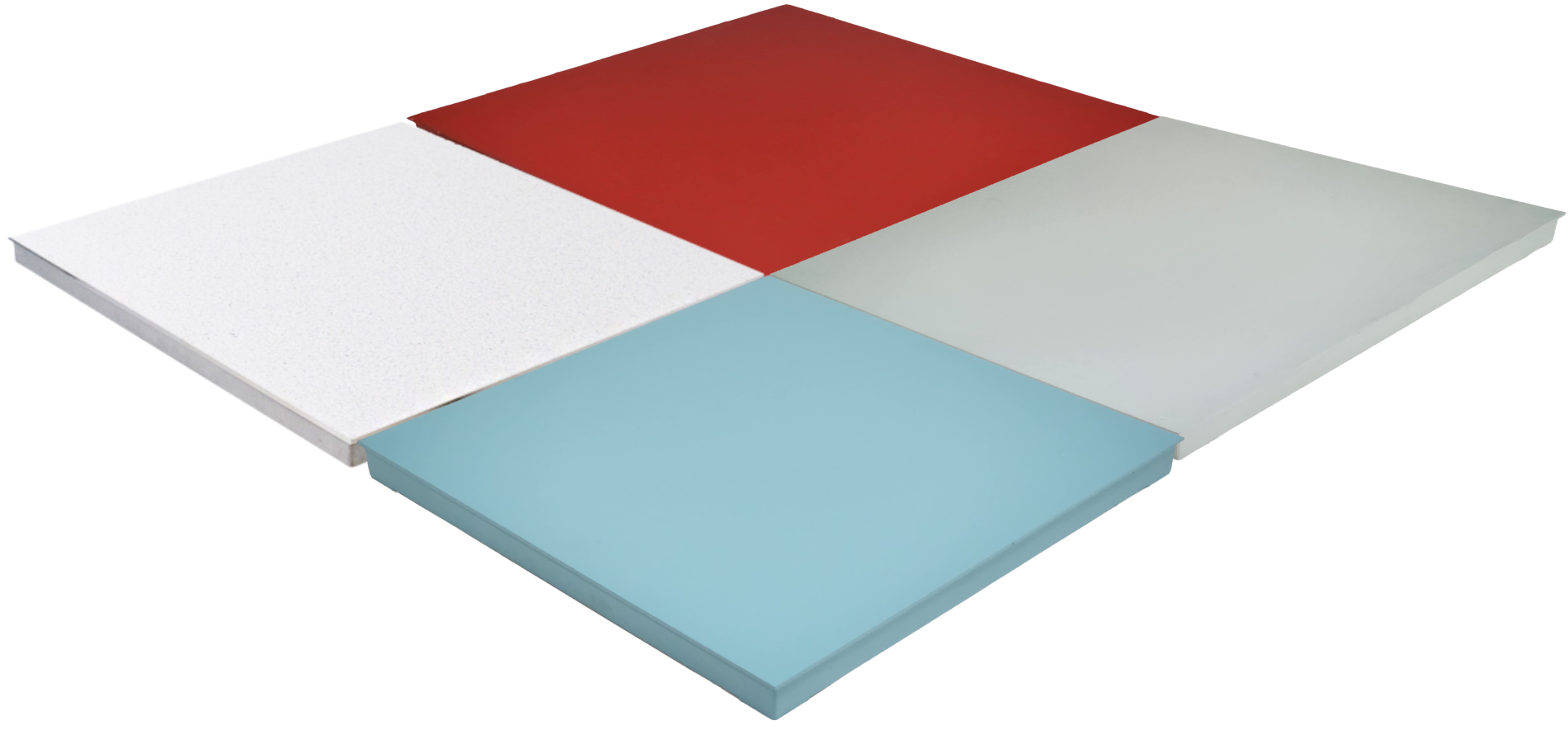
Perforated Panels
Perforated panels allow controlled airflow through the floor surface.
They are typically used in areas where moderate airflow is required and where air distribution needs to be regulated.
Grating Panels
Grating panels allow higher airflow compared to perforated panels.
They are typically used in areas where ventilation demands are greater or where higher airflow capacity is needed.


Understanding Airflow Requirements
Selecting the right panel configuration depends on several factors:
required airflow volume
distribution of airflow across the space
location of equipment or work areas
balance between airflow and structural requirements
In many cases, different panel types are used together to achieve the desired airflow performance across different zones.
Airflow vs Load and Stability
While airflow is important, panel selection must also consider structural performance.
Panels with higher open area allow more airflow but may have different load characteristics compared to solid panels.
System design typically involves balancing airflow requirements with load capacity, stability, and usage conditions.
What to Define for Your Project?
To determine the appropriate airflow configuration, it is helpful to define:
airflow or ventilation requirements
layout of the space
areas requiring different airflow levels
equipment placement
load and usage conditions
This allows the panel configuration to be aligned with the functional needs of the environment.
Want to learn more or request a quote? Connect with us!
Send your project requirements and we will help be happy to assist you or answer any questions.
Or contact directly:
Email: sales@sales-corporation.com