


Raised Access Floor Systems for Heavy-Duty Technical Facilities
Built for Equipment-Intensive Environments
In technical facilities, flooring systems are required to support not only foot traffic but also equipment, infrastructure, and ongoing operational demands.
These environments often involve:
concentrated equipment loads
continuous use over time
integration with underfloor services
requirements for stability and consistency
Because of this, flooring systems must be selected based on structural performance and long-term reliability rather than just surface characteristics.
Why Raised Access Floors Are Used?
Raised access floor systems provide both structural support and functional flexibility in technical environments.
Underfloor Access
Allows routing of cables, piping, and other services beneath the floor.System Flexibility
Enables changes to layout or infrastructure without major reconstruction.Structured Support System
Combines panels and pedestals to create a stable, modular flooring system.
What Matters in Heavy-Duty Applications?
Raised access floor systems provide both structural support and functional flexibility in technical environments.
In heavy-duty environments, flooring systems are typically evaluated based on:
Load Capacity
Ability to support equipment loads without deformation or long-term structural issues.
System Stability
Consistent performance under continuous operational use.
Durability
Resistance to wear and long-term degradation.
Installation Consistency
Maintaining level surfaces across the installation area.
Choosing the Right Panel Type for Heavy-Duty Use
Panel selection depends on how the space is used and what loads need to be supported.
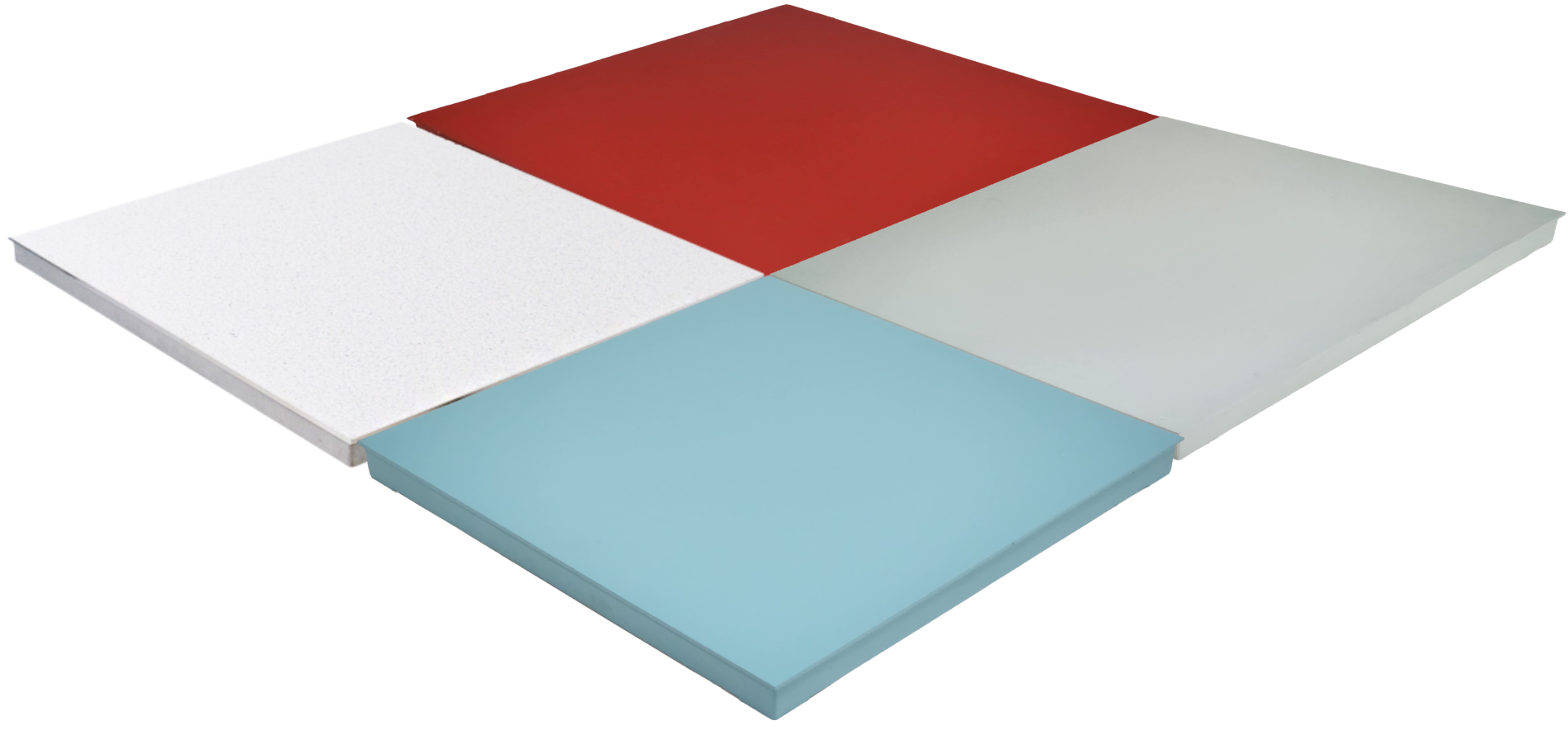
Solid Panels
Commonly used in heavy-duty environments where maximum surface stability and load support are required.
Perforated Panels and Grating Panels
Used selectively in areas where airflow is required, but still need to meet structural demands.


The Foundation of the Floor System
In heavy-duty applications, the pedestal system plays a critical role in overall performance.
It provides:
load distribution
height adjustment and leveling
structural support across the floor system
The stability and reliability of the system depend not only on the panels, but also on how the pedestal structure supports the load over time.
Designed for Continuous Use
Technical facilities require flooring systems that maintain performance under ongoing use.
This includes:
repeated load cycles
movement and operational activity
environmental conditions
A properly selected system is designed to maintain structural integrity and stability throughout its service life.
What to Consider for Your Project?
When evaluating a raised access floor system for heavy-duty applications, it is helpful to define:
expected load requirements
type of equipment and usage
layout and facility conditions
need for underfloor access
project scale and installation scope
This allows the system to be aligned with operational requirements.
Want to learn more or request a quote? Connect with us!
Send your project requirements and we will help be happy to assist you or answer any questions.
Or contact directly:
Email: sales@sales-corporation.com